

Hello, my friend! 👋
Hope you’re doing well. Recently, I started playing games on my new Mac Mini. I know Mac gamers are often considered the underdogs: I used to play a lot, but as I found it really time-consuming, so I decided against buying another game console.
Any, games on the Mac platform have improved significantly lately, allowing me to enjoy titles like Tomb Raider, Metro, and others. Interestingly, some elements I’ve encountered in design seem to align with game design principles. Today, I’m sharing two posts relevant to this topic. Hope you enjoy them.

Here are a few things I’d like to share with you today 🙂
Learning UX principles from the game Path of Exile 2
Mr. Clippy - The Take 2 of Human-AI Interaction
My Gaming Experience Today
Learning UX principles from the game Path of Exile 2
So here’s a surprise - I found myself amidst a sea of enthusiastic gamers at a game con. This unexpected journey into the world of gaming helped me discover how the UX principles I work with every day have found a home in an industry I’m not so familiar with 🎮
This weekend, a friend invited me to ExileCon, a gaming event for fans of Path of Exile. Although I’d never played the game or any similar games like Diablo, I thought, why not? Let’s jump in and see what happens. To my surprise, I stumbled upon some intriguing applications of UX principles in the gaming world.
🧠 Let’s start with cognitive load - that’s the mental effort required by your users to process and understand the information in your product. Given that our cognitive capacity is a limited resource, we, as designers, need to make information clear and easy to understand.
This principle was executed brilliantly in Path of Exile. For instance, when designing the game items, the team ensured that all the shields faced the same direction. This meant that even with a quick glance, gamers could identify an item, reducing their cognitive load. Considering there are hundreds of different items in the game, ordering them in a way that’s easy to recognize and choose is a fantastic way to keep the cognitive load low.
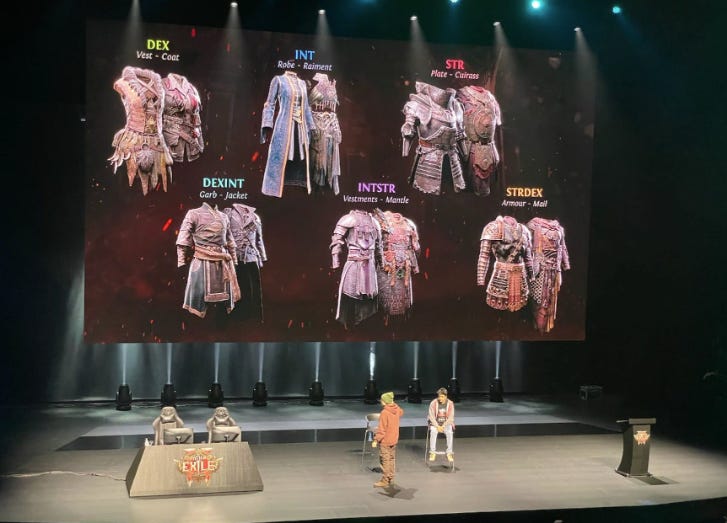
Next, let’s talk about reducing friction. When you’re playing a game, unexpected obstacles or confusion can throw off your whole experience. Path of Exile made some smart moves to avoid this. In the upcoming game version, Path of Exile 2, the developers have come up with an inventive way of introducing new information without disturbing gameplay.
Let’s say a gamer arrives in a new environment and needs information about that location. Instead of popping up a notice board or having the gamer return to an information center, the game allows you to summon an NPC (a non-player character, like a bounty hunter) who can read the scenario and provide you with the info you need. This ingenious solution helps gamers understand the story without pausing gameplay or disrupting the narrative flow 🗣️
These gaming moments may seem trivial to non-gamers like me, but to see the crowd’s reaction to tiny details - cheering and clapping - was quite an experience. Whether it was the option to pet a puppy in the game, or the ability to create unique gemstones to customize character skill sets, every little enhancement was met with jubilation. To me, this was a powerful demonstration of knowing and listening to your customers - the bedrock of good UX 👏
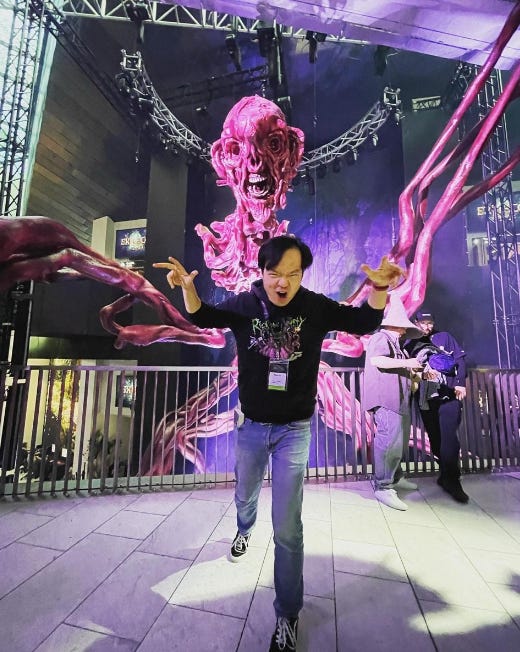
ExileCon was a great reminder that the principles of UX design apply far beyond apps and websites. It’s not just about arranging pixels on a screen, it’s about understanding your users and creating an environment that responds to their needs. Whether you’re designing a software interface or a fantasy world, the principles remain the same 💡
Mr. Clippy - The Take 2 of Human-AI Interaction
Do you remember Mr. Clippy?
If you’ve got as many miles on the clock as me, you’ll probably recall this little animated assistant from the glory days of Microsoft Office. Clippy was our trusty sidekick, always ready to introduce new features or guide us, step-by-step, through the complexities of our tasks.
Back then, as we were finding our way around new software interfaces and interaction patterns, having a digital assistant like Clippy on hand was super useful. But as we grew more tech-savvy, we didn’t need our ever-eager helper quite as much, and eventually, Clippy was retired.
Fast forward to the present, and it feels like we’ve come full circle. The rise of AI and other cloud-based technologies have us exploring new interaction paradigms all over again. In a way, it’s a bit like déjà vu. Wouldn’t it be kinda cool if we had a modern Clippy on hand? This time around, instead of guiding us through software, this AI assistant could support us in our day-to-day work, and in a language we understand.
When you think about it, the realm of human-machine interaction is going through an exciting phase right now. We’re seeing shifts as significant as those we experienced between the 1960s and 1970s when the likes of Douglas Engelbartrevolutionized the field with his human-computer interaction theories and practical innovations like the mouse and graphic interface.

Today, we’re at the cusp of another transformative moment, with natural language processing taking center stage. Now we can interact with machines more intuitively, using speech. This shift towards speed and natural language use is setting the stage for a surge in raw data creation, and that’s where AI comes in - to help us make sense of it all.
Isn’t it mind-blowing to consider how these developments could herald a new era in human-computer interaction? Personally, I’ll keep my eyes peeled for the next Clippy-like breakthrough.
My Gaming Experience Today
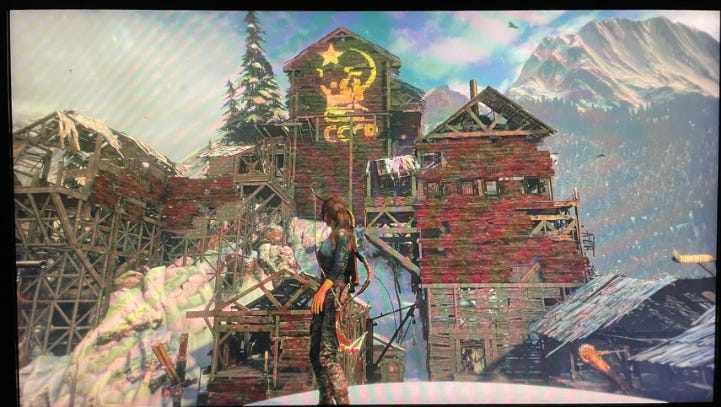
I had a great time gaming today. Continued with Rise of the Tomb Raider. The last time I saved, I was about to enter a BOSS battle against a witch named Babagaya. Today, I spent a focused hour and managed to defeat her. Felt really accomplished receiving the in-game items and rewards.
Wouldn’t it be great if gaming sessions were always like this? Having a specific task every day and calling it a day once it’s completed. This not only prevents addiction but also serves as a great way to relax. Plus, the expensive games we buy won’t lose their appeal after just a day or two of playing.
This approach isn’t just for game design, but can also be applied to UX/product design. Understand the user’s flow first, then consider the pace of use, and think about ways to reward or elicit emotions at the right moments.
Video: Exploring UX Principles in Path of Exile 2
Get ready for an unexpected exploration of gaming through the lens of a designer. From cognitive load to reducing friction, discover how UX principles are revolutionizing Path of Exile! 🗣️
](
Have a great one and see you soon!

Bear Academy Newsletter
Non-crap tips and thoughts on design, product and technology ✨
🐻 Bear Who?
Hi there 👋, I’m Bear, a seasoned Product Designer with 15 years of overall design experience and six years in product design, transforming the user experiences for millions 📝
As an Apple Award-Winning Podcast Host at BearTalk and a Design Mentor at Springboard and CareerFoundry, I apply my self-taught design skills and science background to solve complicated problems and mentor budding designers 😃
In my downtime, you’ll find me reading, drawing, podcasting, and making videos about everything from tech to design and productivity 👨🎨
🤓 Work
💼 What I do:Product Designer at Xero
🌃 I also do:Design Mentor at Springboard and CareerFoundry / Founder at Bear Academy
🎤 Side hustle:Podcast host at Award-winning podcast BearTalk
💡 Goodies
Bear Academy - my courses around UX Design, AI, etc
Bear Academy Newsletter - my free newsletter, which you are reading now
Beartalking.com - all my posts, English and Chinese
Youtube.com/@Bearliu - A video is worth a thousand words
💬 Contact
https://twitter.com/bearbig](https://twitter.com/bearbig) - Majorly I post in Chinese
bear@beartalking.com - The old fashion email way
LinkedIn.com/in/bearliu - My professional life