

Hello my friend!
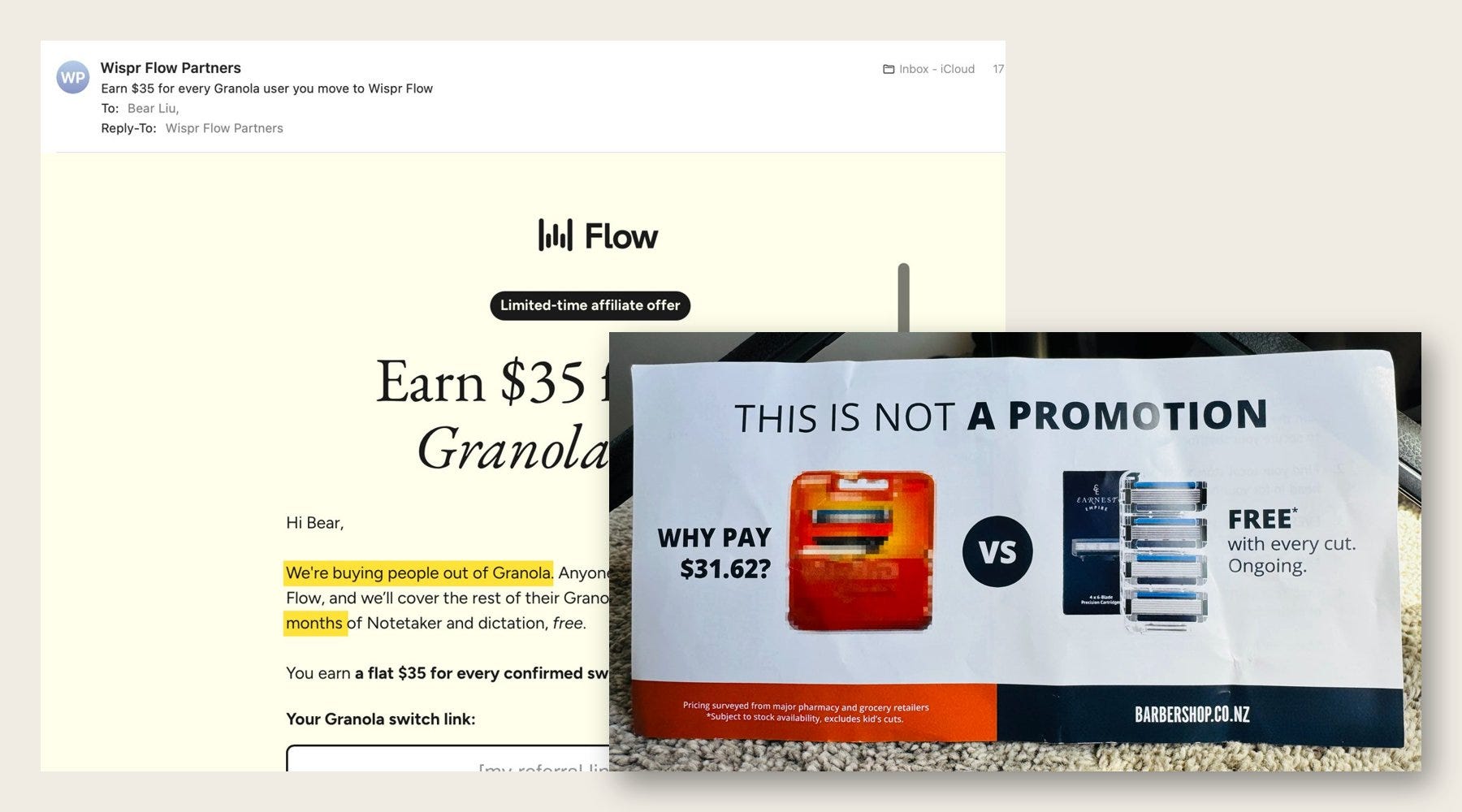
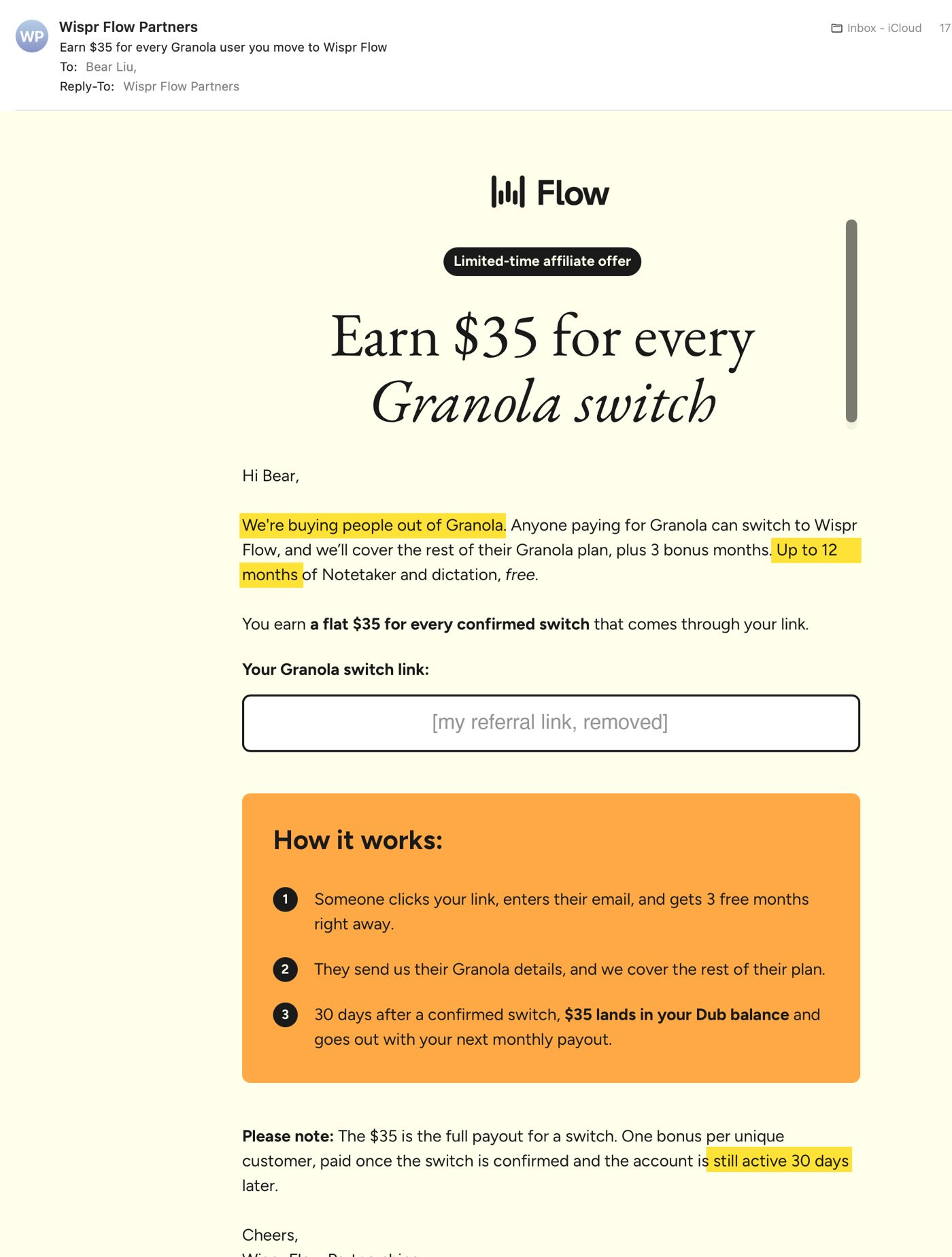
“We’re buying people out of Granola.”
That was the first line of an email Wispr Flow sent me in October. They’d named the company whose customers they wanted and offered me $35 for each qualifying switch I referred.
I also had a much less dramatic offer to think about. During a haircut, my barber handed me a pack of razor blades and told me I could get another one next time.
Both offers made me stop and do a little maths. One was asking someone to try a different tool. The other gave me a reason to go back to the same shop.
I’ve already paid for Granola
I knew Wispr Flow as a voice typing tool. By October, it had added a notetaker that could transcribe a meeting, summarise it and pull out takeaways. I tried it and found the onboarding easy. I could also see why they’d gone after Granola. For someone who already used AI to take meeting notes, the idea needed very little explanation.
I’m a Wispr Flow affiliate, which is how I got the email. The campaign offered a one-off $35 for a confirmed referral if the account was still active after 30 days.
For customers, Wispr offered to match the remaining time on an eligible paid Granola subscription with Wispr credit, add up to three bonus months and cap the total at twelve months. Customers had to verify their subscription.
Say I’d paid for Granola for the year and had nine months left. Trying another tool might feel like paying twice for the same job. With the credit, I could try Wispr alongside it without paying for a second subscription during the overlap.
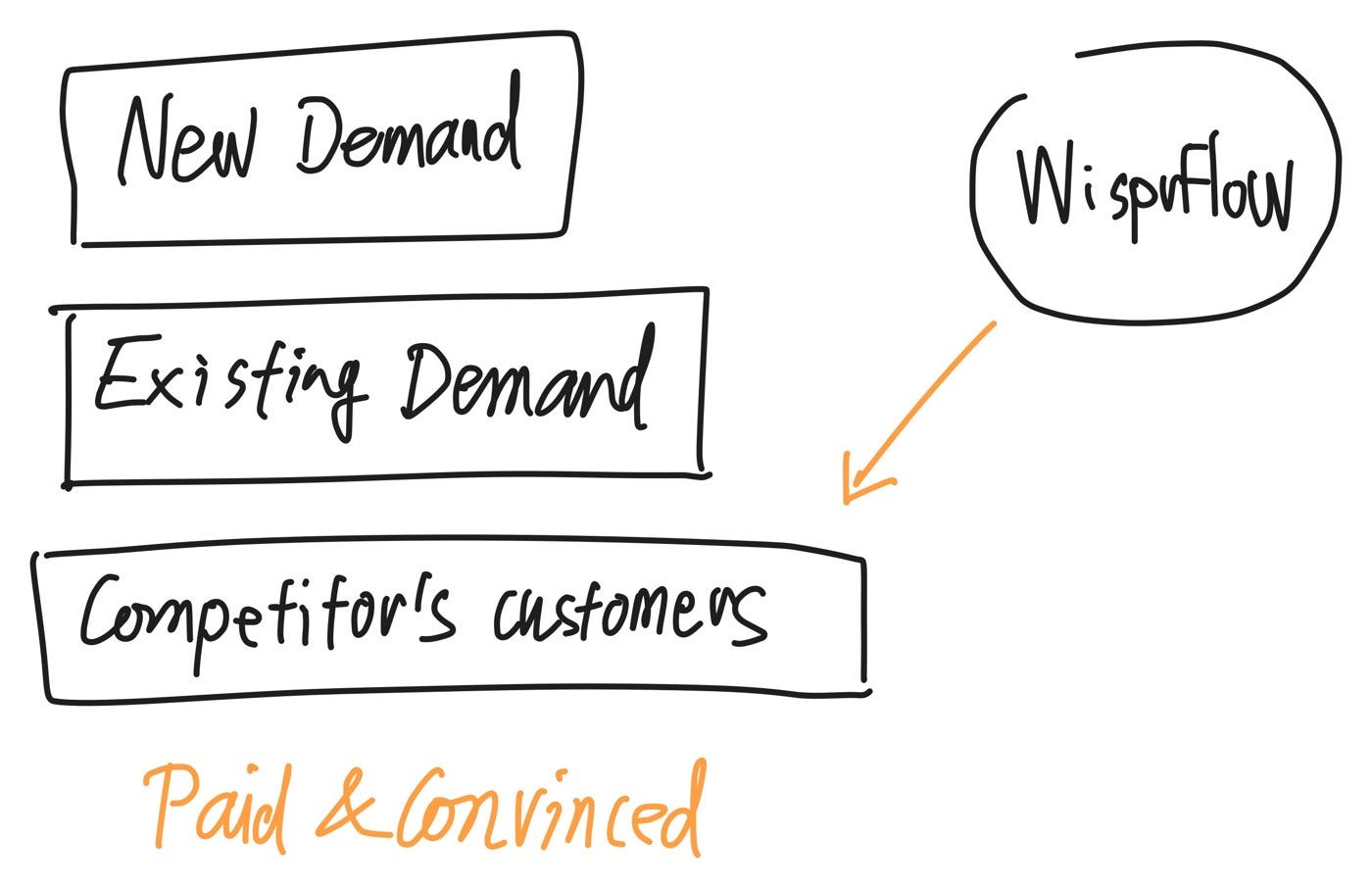
That’s the part I found clever. Granola had already found people who thought meeting notes were worth paying for. Wispr could spend its time answering a much more specific question. Given that you already have something that works, why give this a go?
Which tool do you open for your next meeting?
I can imagine claiming the offer, trying Wispr in a few meetings and still opening Granola out of habit. I might even keep both for different things.
Being active after a month is enough for the affiliate payout. If I were running the campaign, I’d also want to know where those people were actually taking their notes by then, and how many paid for Wispr when the credit ran out.
I haven’t seen those numbers. What I can see is why the offer might get someone to try it. Whether I’d make it my regular meeting tool comes down to what happens in all those meetings between signing up and getting the first bill.
The thing I brought home from a haircut
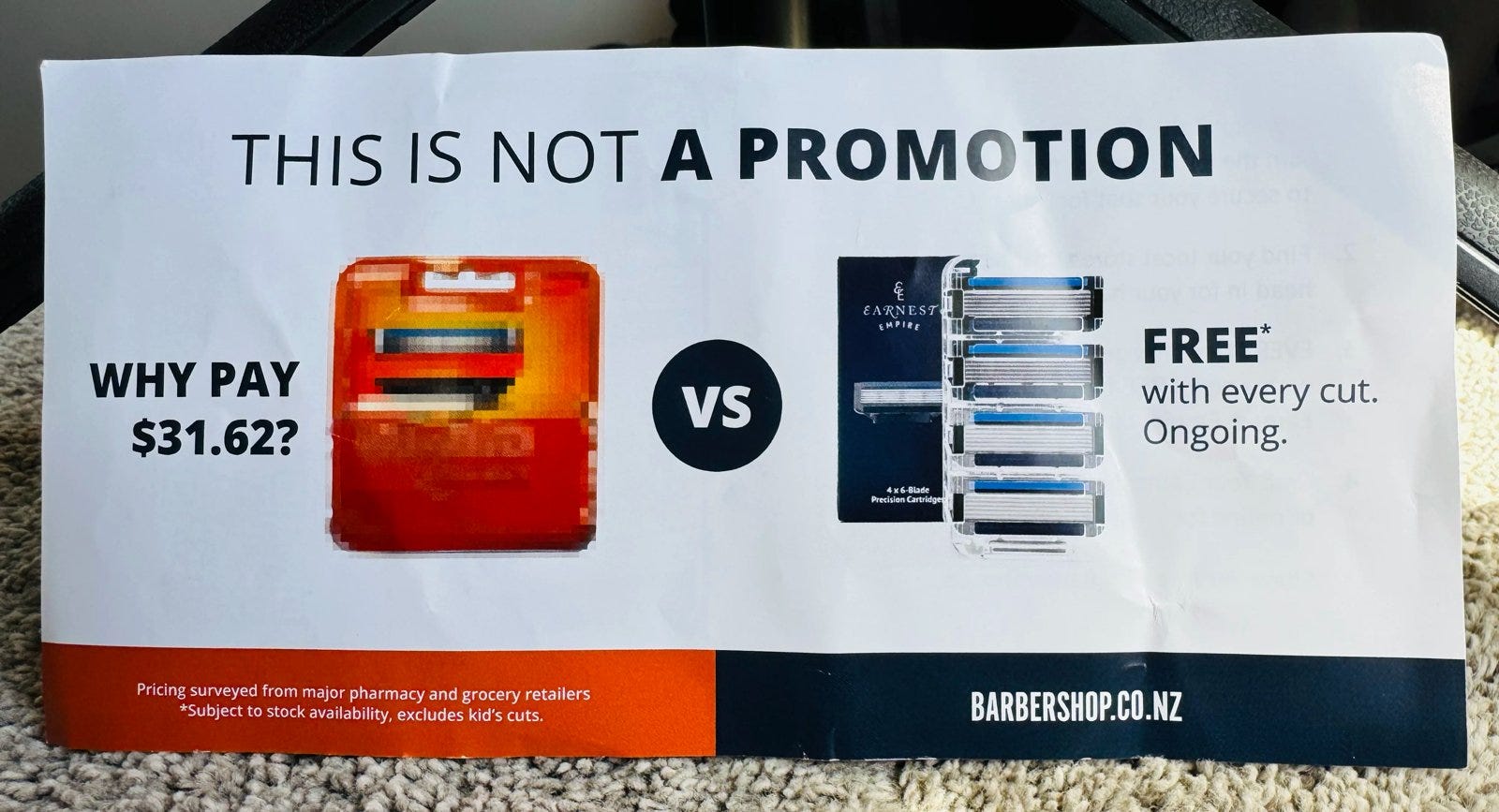
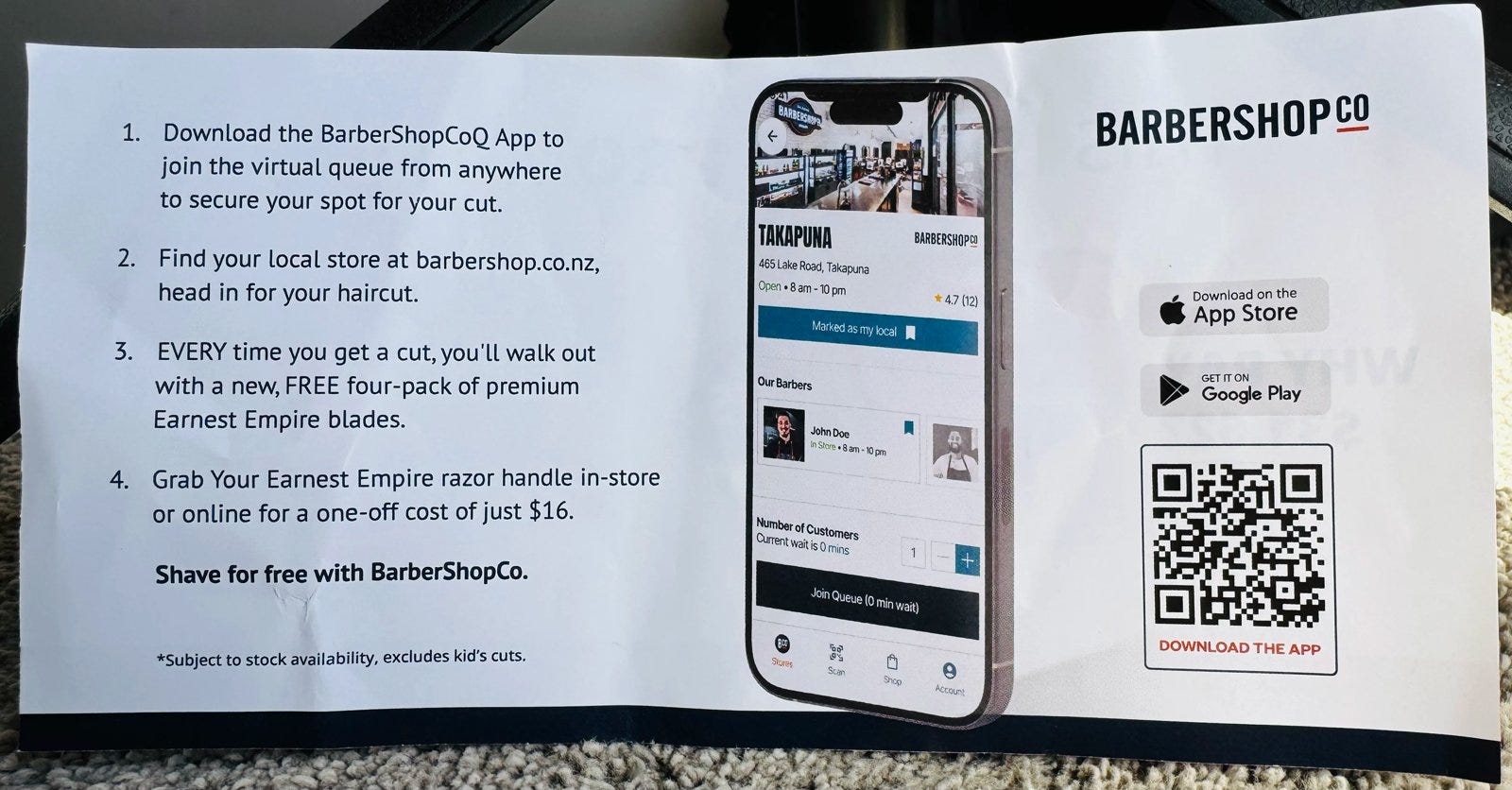
I went to BarberShopCo for a haircut. While the barber was cutting my hair, he paid me a couple of compliments. Then he brought over a flyer and handed me a four-pack of Earnest Empire razor cartridges.
The blades were free, he told me. I could get another pack the next time I came in for a cut.
The flyer said “THIS IS NOT A PROMOTION.” It showed a pack priced at NZ$31.62 for comparison and listed a one-off NZ$16 price for the handle at the time.
The offer is designed to repeat. The shop gives out a pack with each eligible haircut, subject to stock.
Here’s how I thought about it. Say one barber charges $35 and this one charges $40. For an extra $5, I could leave with blades I’d otherwise have to buy. That changes how I look at the price of the haircut.
Then the blades come home with me. They sit in my bathroom, and I see them whenever I shave. I like that detail. The shop has a way to stay on my mind between visits without sending me anything.
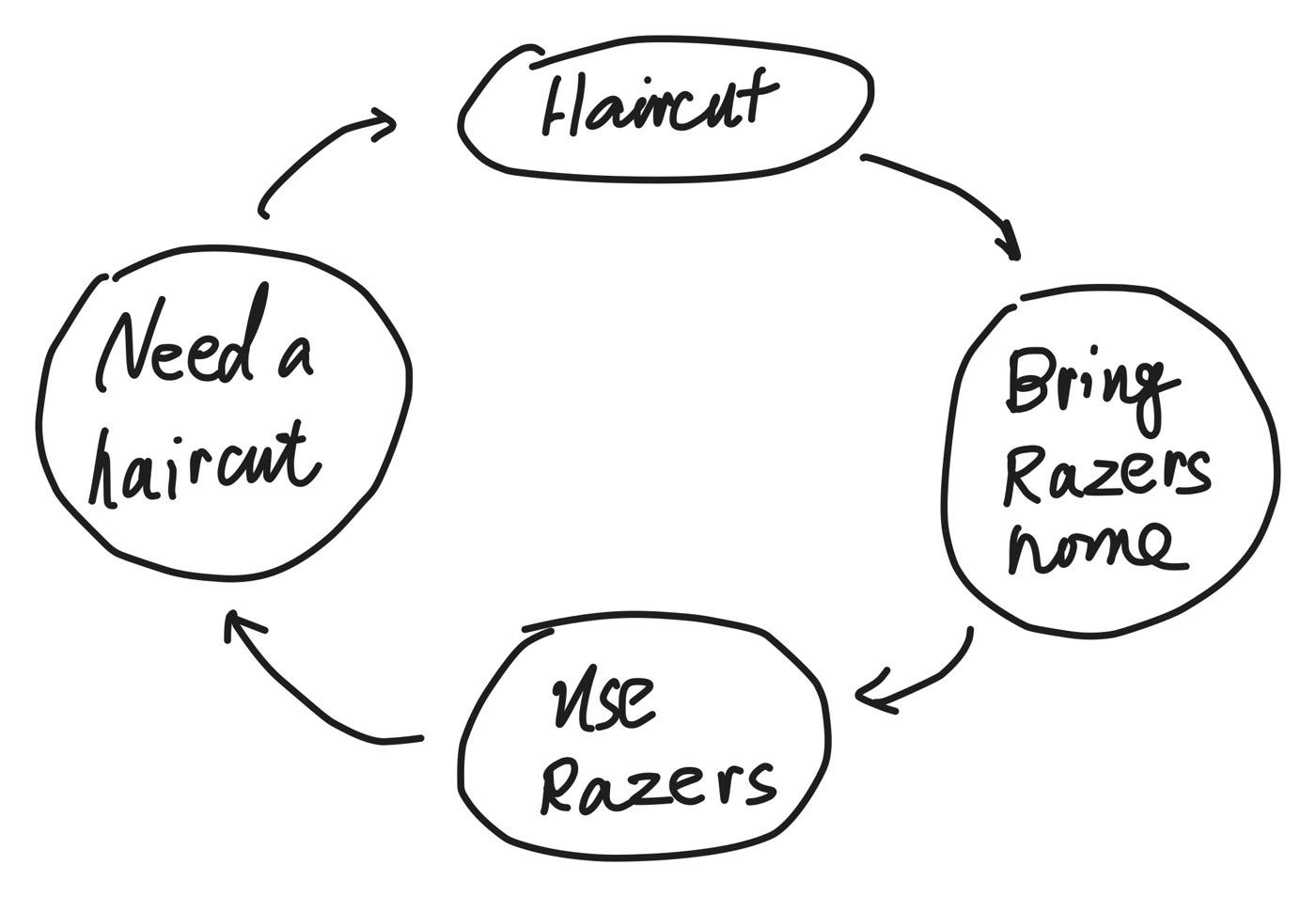
I won’t get a haircut every time I run out of blades. Those two things happen on their own schedules. But when my hair does get long, I have one more reason to go back to that shop.
I know it changed how I thought about my next haircut. I’d be curious to see whether it changes how often people actually return, especially people who were already regulars.
I only found out in the chair
I’d already chosen the shop by the time I heard about the blades. Could the same offer have helped me choose it in the first place?
I looked at the homepage with that question in mind. The offer was there. I passed hair styling products and the lookbook before I got to the section about free blades. Once I knew what I was looking for, it was easy to find. On a first visit, it had a lot of company.
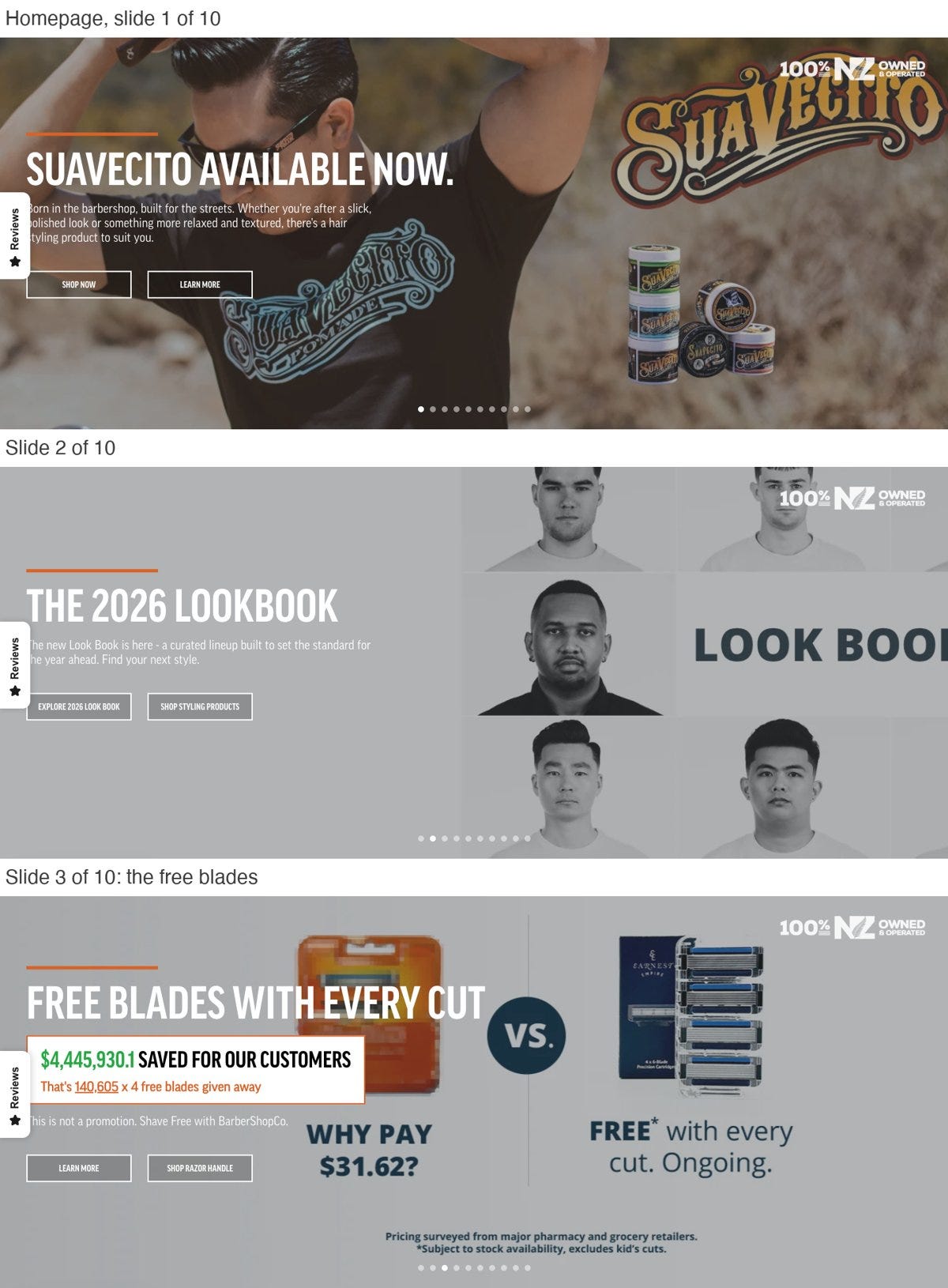
I’d be interested to see what happens if someone looking for a haircut sees the offer next to the price or opening hours. They could do the same little bit of maths I did, before deciding where to go. The pack would still go home with them afterwards.
Try this on your own product
Think of a person choosing between your product and something they already use. What makes giving you a try feel like extra work or an extra expense? Wispr picked one obstacle it could address directly.
Then think about what someone takes away after using your product. It could be a note they’ll come back to, a file they’ll use at work, or something as ordinary as a pack of blades in the bathroom. Where will they see it again? Would knowing about it earlier have helped them choose you?
Also from me
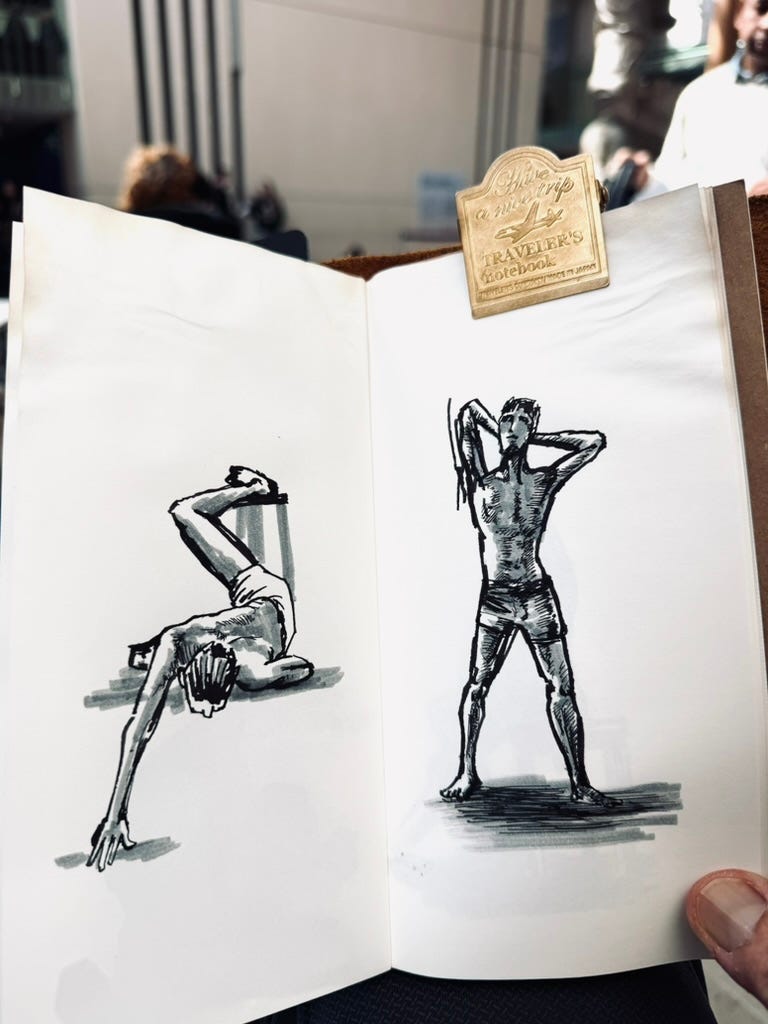
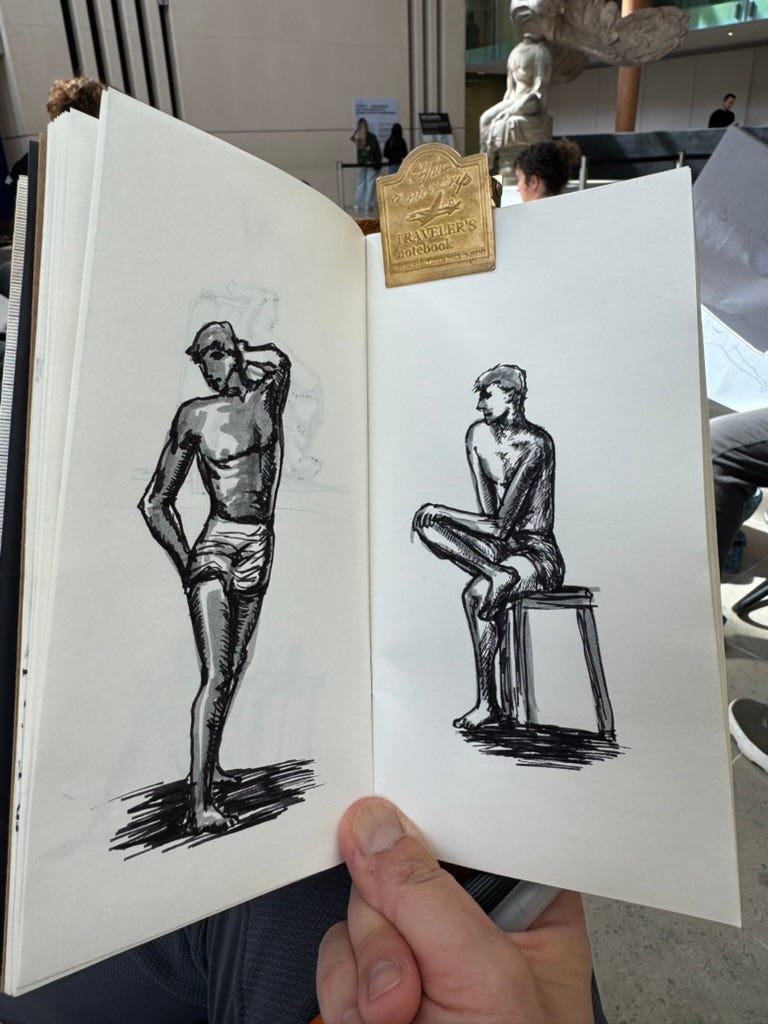
Two hours of life drawing
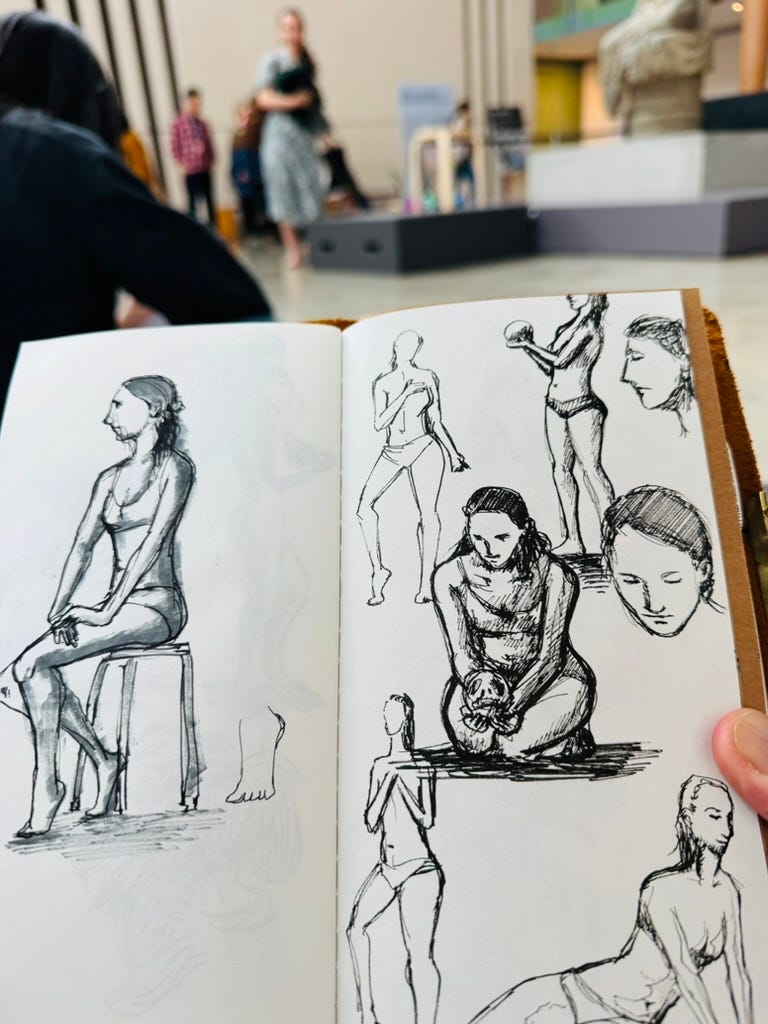
Last week I spent 2 hours at an art gallery doing life drawing. Two sessions back to back. A personal record.
Life drawing is hard in a way that is difficult to explain until you try it. The figure is always moving, always wrong, always humbling. I kept stalling, not knowing where to start.
Then I found something: start with the waist. Just the waist. Once that is placed, everything else has something to orient around. The arms know where to go. The legs follow. The whole figure stops being overwhelming and becomes a sequence of smaller problems.
I don’t know why I’m sharing this on a product design feed. Except that it’s the same thing, isn’t it. Find the one thing that everything else depends on. Anchor there first. The rest gets easier.
Where to next
This issue also has a video version, with the email and flyer on screen:
Has a small perk ever changed where you went back? Hit reply and tell me what it was.
Thanks for reading!
Bear

Hello, I’m Bear.
I’m a product designer in Auckland, New Zealand. Most of my work is as a Fractional Design Partner, which usually means being the design lead a small team cannot yet hire full time.
Design Decisions is where I take one product apart each week and write up the decisions behind it. I make videos and record a bilingual podcast for much the same reason. I like working things out in the open.
bearliu.com · the full teardown library, and what I do for teams
hi@bearliu.com · the old fashioned way, and I read every reply
linkedin.com/in/bearliu · where most of my English writing goes first
youtube.com/@Bearliu · a video is worth a thousand words
x.com/bearliu · shorter thoughts, as they happen