


A client project I have been working on is about to reach the App Store. It is a fitness product that a startup team has been building for a while, and I have taken more from it than I expected to.
Most of my work before this was with large teams. A startup is a different shape entirely. There are fewer people, so there are fewer places for a decision to hide, and anything you choose to build lands on someone’s plate that same week. You feel the cost of a yes much faster.
Most teams can tell you who their product is for. Far fewer can tell you who it is not for, and say those people out loud.
Linear can. That turns out to be a large part of how it reached more than $100 million in annual recurring revenue without spending much on marketing.
The list of things Linear does not do
Linear supports one level of sub-issues. There is no deep task hierarchy. One of the teams I work with is genuinely unhappy about this.
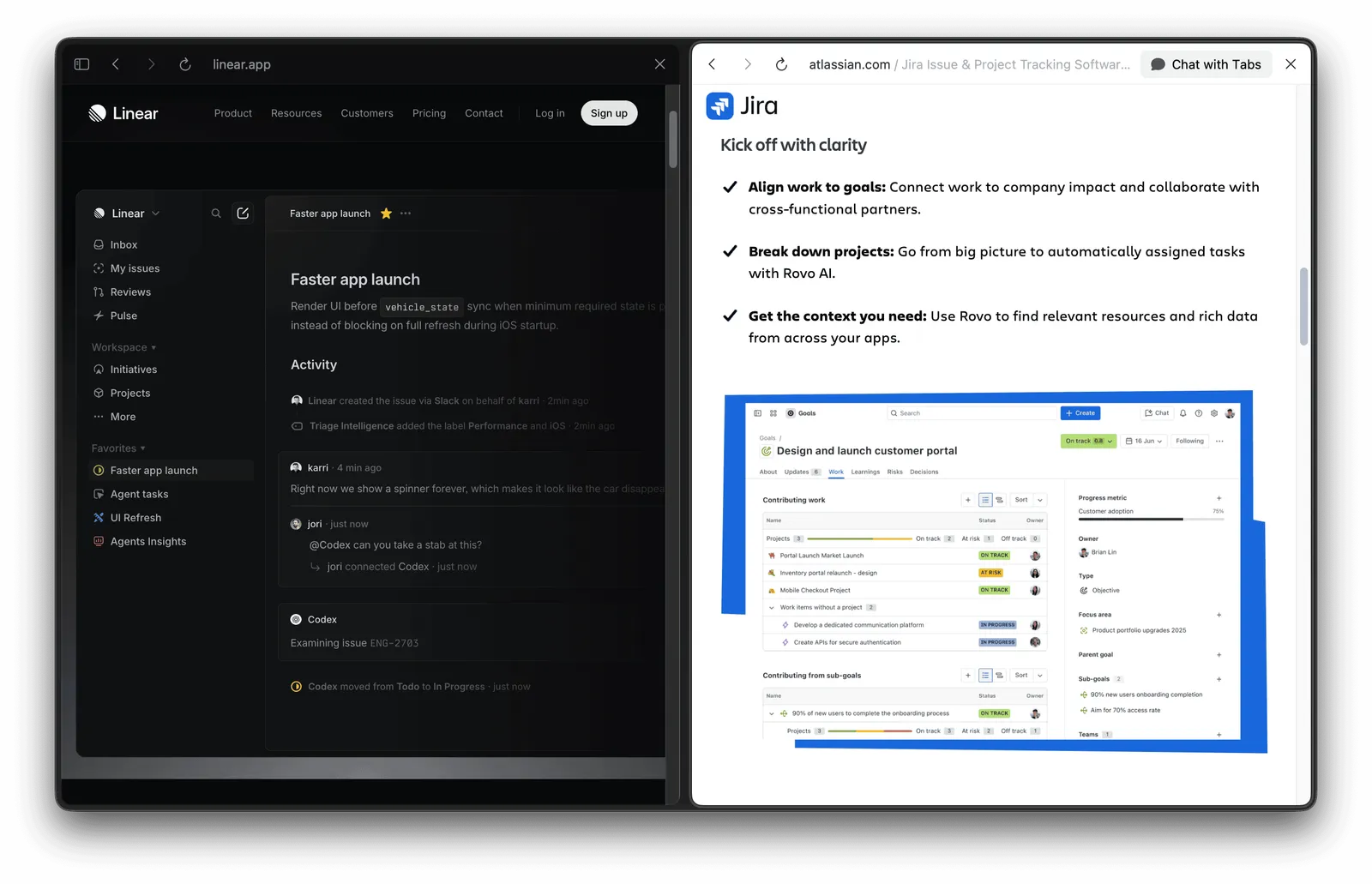
The default interface has almost no decorative graphics. The mobile experience is thin, because keyboard shortcuts and hover tooltips do not translate to a touchscreen. It also refuses to stack concepts the way Jira does with Boards, Sprints, Epics, Components and Versions.
Every one of those omissions costs it a group of users. Large enterprises that need complex permissions and approval chains go to Jira. Project managers who live in nested hierarchies pick something else. People who work mainly from a phone never get the full product. A non-technical founder opens it, sees few visible features, and decides it is not serious enough.
Linear accepts that all of those people will leave.
Losing the right customers is cheaper than keeping them
That sounds like giving up revenue. It is also cutting cost.
A badly matched customer brings more than a subscription. They bring longer sales conversations, more training, more complicated support, and a stream of feature requests that matter to almost nobody else. If they only discover the mismatch after adopting the product, you have already paid to acquire and support them.
Linear’s design lets those people leave early. They open it, try a few things, and see quickly that it is not their tool. Linear loses the subscription, and avoids everything that would have come attached to it.
That is where restraint stops being a design preference and starts shaping the business. A leaner team, a simpler sales process, and growth that runs mostly on recommendations between teams that already fit.
Two notes that sharpened this
Scope creep does not announce itself. Working on someone else’s product I flag it reflexively: this changes the scope, is that the direction we agreed? Then I built my own thing with AI tools and caught myself doing exactly what I warn clients about. No single bad decision, just a quiet drift, one “while I am in here anyway” at a time. What helped was using the assistant to interrogate features rather than generate them: what problem does this solve, what does it cost in focus, does it serve the original intent.
Shipping used to be the filter. The effort of building something did the work of saying no for you. If it was not worth three weeks, it probably was not worth building. Now that the distance between a vague idea and a working thing has collapsed, that filter is gone, and you end up optimising for output instead of direction. The teams I see holding their shape are the ones where a real brief and a real deadline do the job friction used to do.
Try this on your own product
Name the customer you are prepared to lose. Not the one you have not got around to serving yet. The one you would turn away.
Most teams can describe their target customer in a sentence. Very few will say out loud who they are willing to disappoint. When nobody says it, features keep accumulating, the visual language keeps getting more neutral, the copy keeps getting broader, and eventually everyone finds the product quite good while nobody feels it was built for them.
Where to next
The full Linear teardown is on the site, including the first-run experience and why its most important feature does not appear on day one: bearliu.com/blog/linear-the-restraint-tax
Who is the customer you have decided not to serve? Hit reply and tell me. I read everything that comes back.